Teen Skincare: A Simple Guide for Tweens & Teens
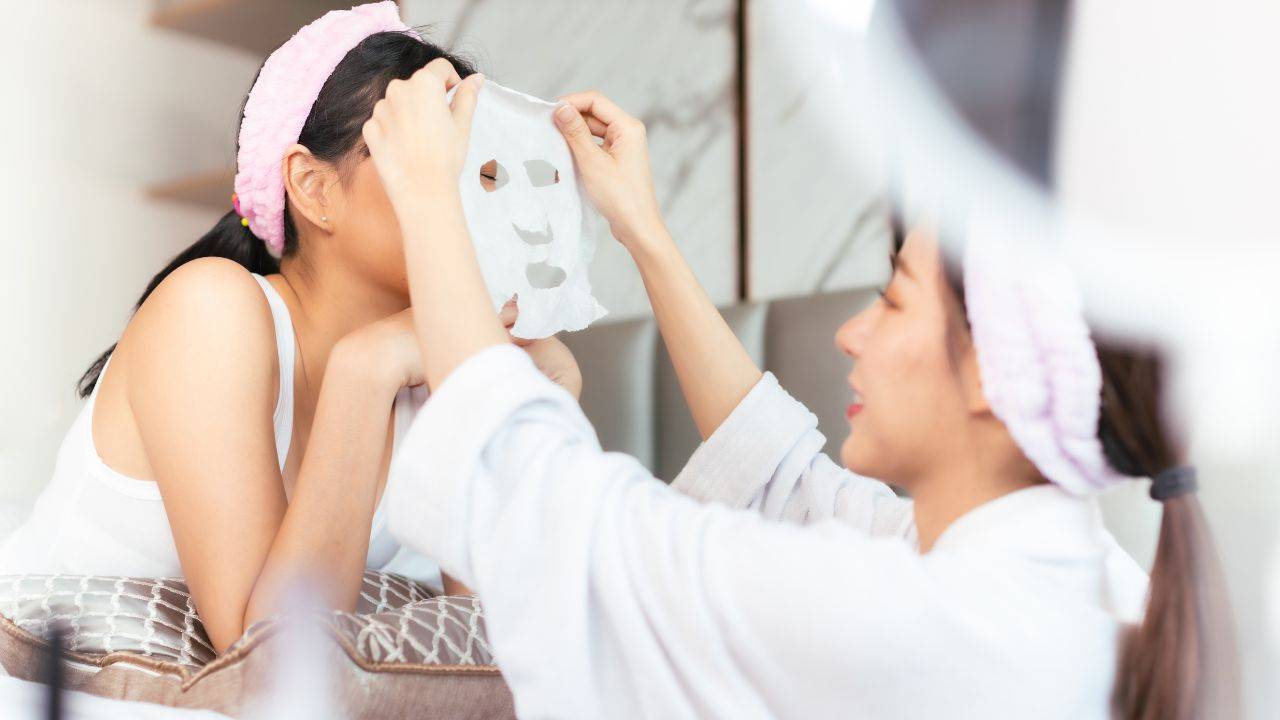
“Mom, I have a zit.”
For some kids, those four words can feel like a much bigger deal than they sound.
Puberty brings a lot of changes. Hair starts growing in new places. Bodies begin to change shape. Sweat and body odor can become a new thing to figure out. And then, almost as if puberty hasn't already given kids enough to think about, their skin can suddenly change too.
Blackheads. Oily foreheads. Dry patches. Pimples that seem to show up overnight.
For some kids, it can be frustrating. For others, it can really affect how they feel about themselves.
And with social media full of elaborate skincare routines, shelves of colorful products, and influencers telling kids they need another serum, toner, mask, or treatment, it's easy for tweens and teens to think skincare has to be complicated.
It doesn't.
In fact, when it comes to young skin, simple is often a really good place to start.
Your Tween Doesn't Need a 10-Step Skincare Routine
There is a lot of pressure these days for kids to have the “perfect” skin.
Scroll through social media and you'll see shelves filled with products and routines that can make a basic face wash seem almost inadequate.
But tweens and teens don't need a bathroom counter full of skincare products.
For most kids, a basic routine can start with just three things:
Cleanse. Moisturize. Protect with sunscreen.
That's it.
Once those basics are established, you can consider products that address specific concerns, such as acne or very dry skin.
And this is one area where more isn't necessarily better.
Using too many products—or products that are too strong—can irritate young skin and make the problem worse.
This is especially worth remembering with the recent explosion of skincare products marketed toward tweens. Ingredients such as retinoids and other powerful “anti-aging” treatments aren't automatically better just because they're popular online.
Your 11-year-old probably doesn't need an anti-aging routine.
They need a healthy relationship with their changing body and a simple routine they can actually stick with.
Start With the Basics
Think of skincare as teaching your child a new everyday hygiene habit—not creating a beauty project.
A gentle cleanser can help remove sweat, dirt, and excess oil. A moisturizer helps support the skin's natural barrier, even if your child has oily or acne-prone skin. And sunscreen helps protect their skin from UV exposure.
That's a pretty good foundation.
The products don't have to be fancy or expensive. What matters most is finding something that works for your child's skin and that they will actually use.
And introduce new products slowly.
If your child starts using five new products at the same time and their skin suddenly becomes irritated, you're going to have a hard time figuring out which product caused the reaction.
One new product at a time makes it much easier to see what works—and what doesn't.
If You Only Buy Three Things...
If your tween or teen doesn't have any particular skin concerns, start with the basics: a cleanser, moisturizer, and daily sunscreen.
Here are some products to consider based on different skin needs.
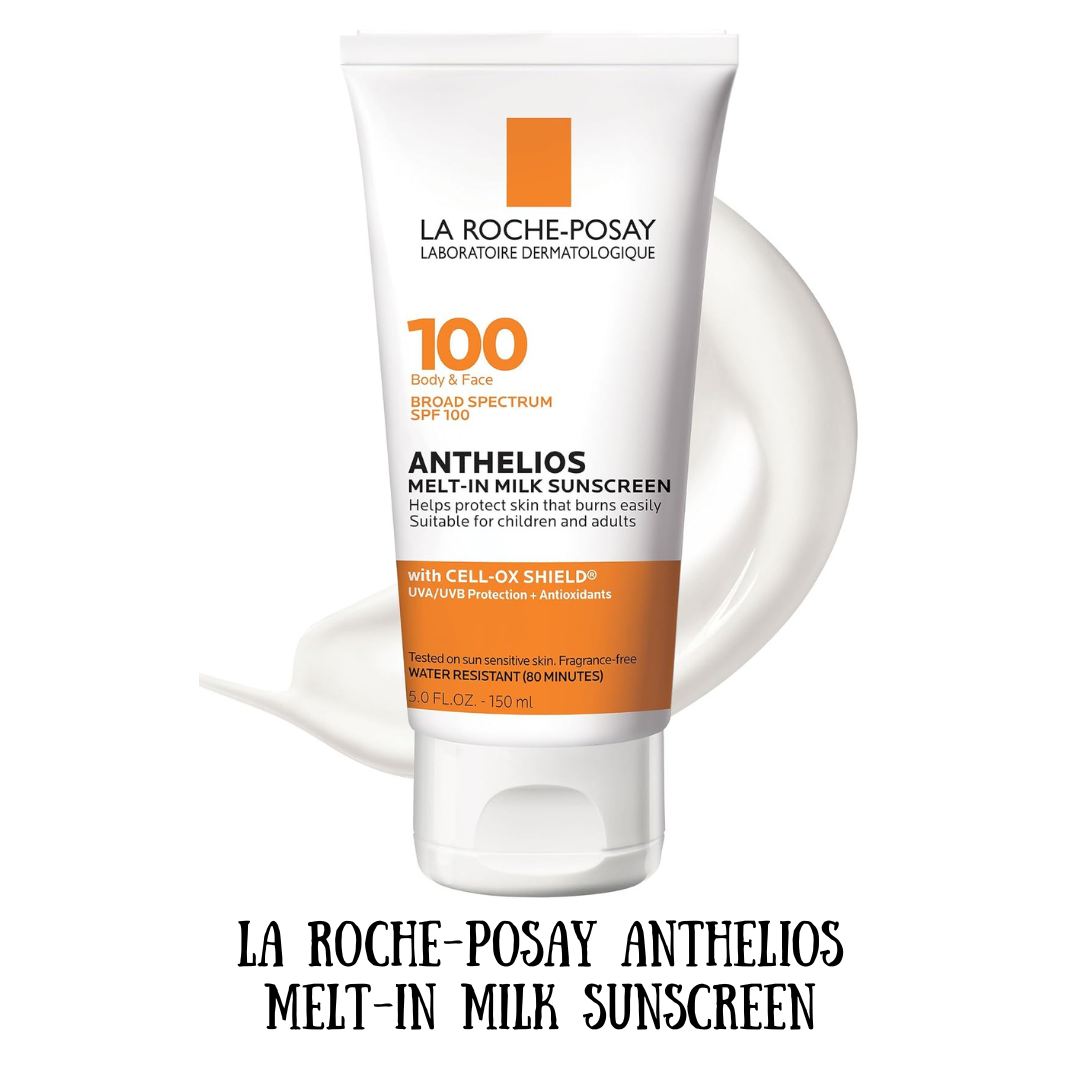
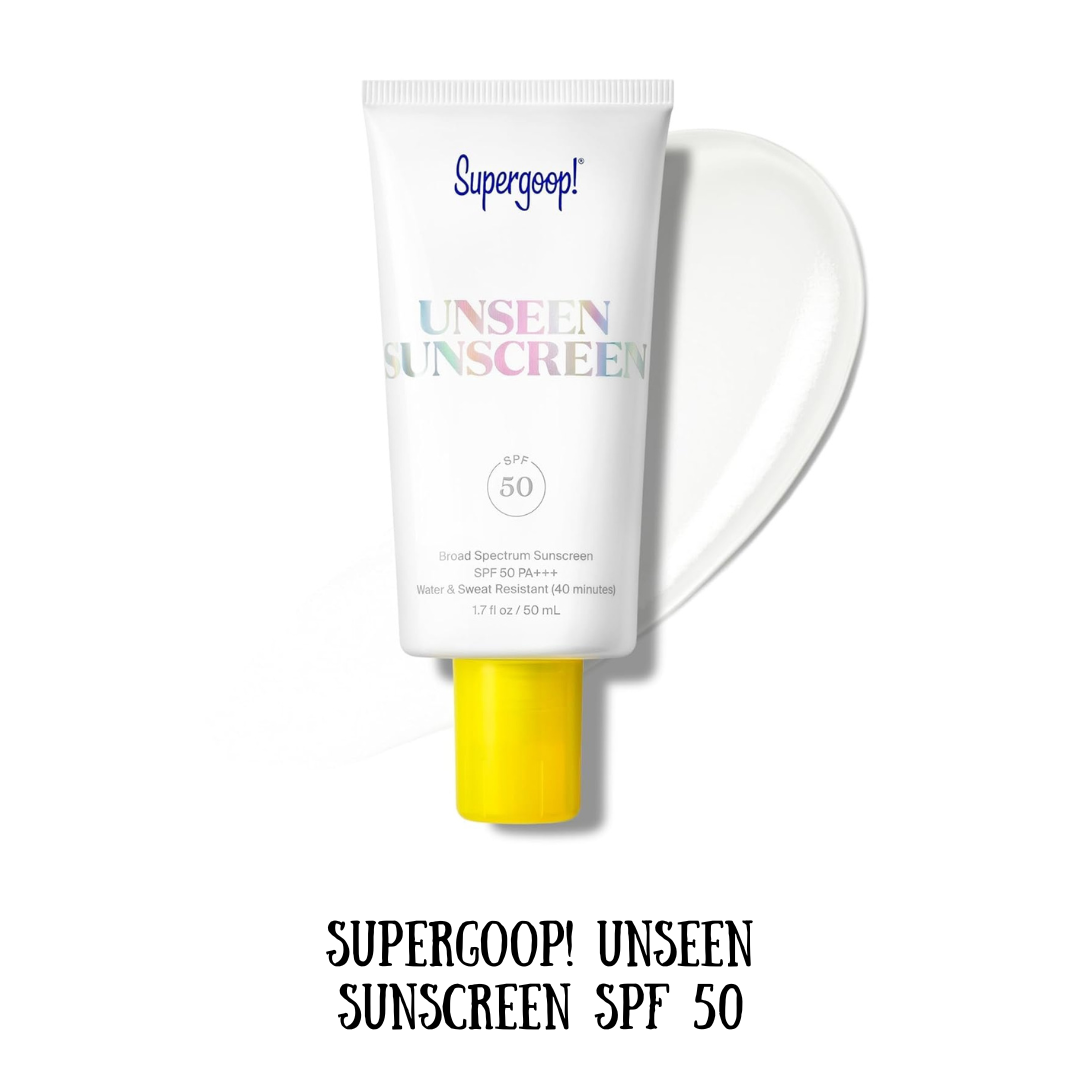
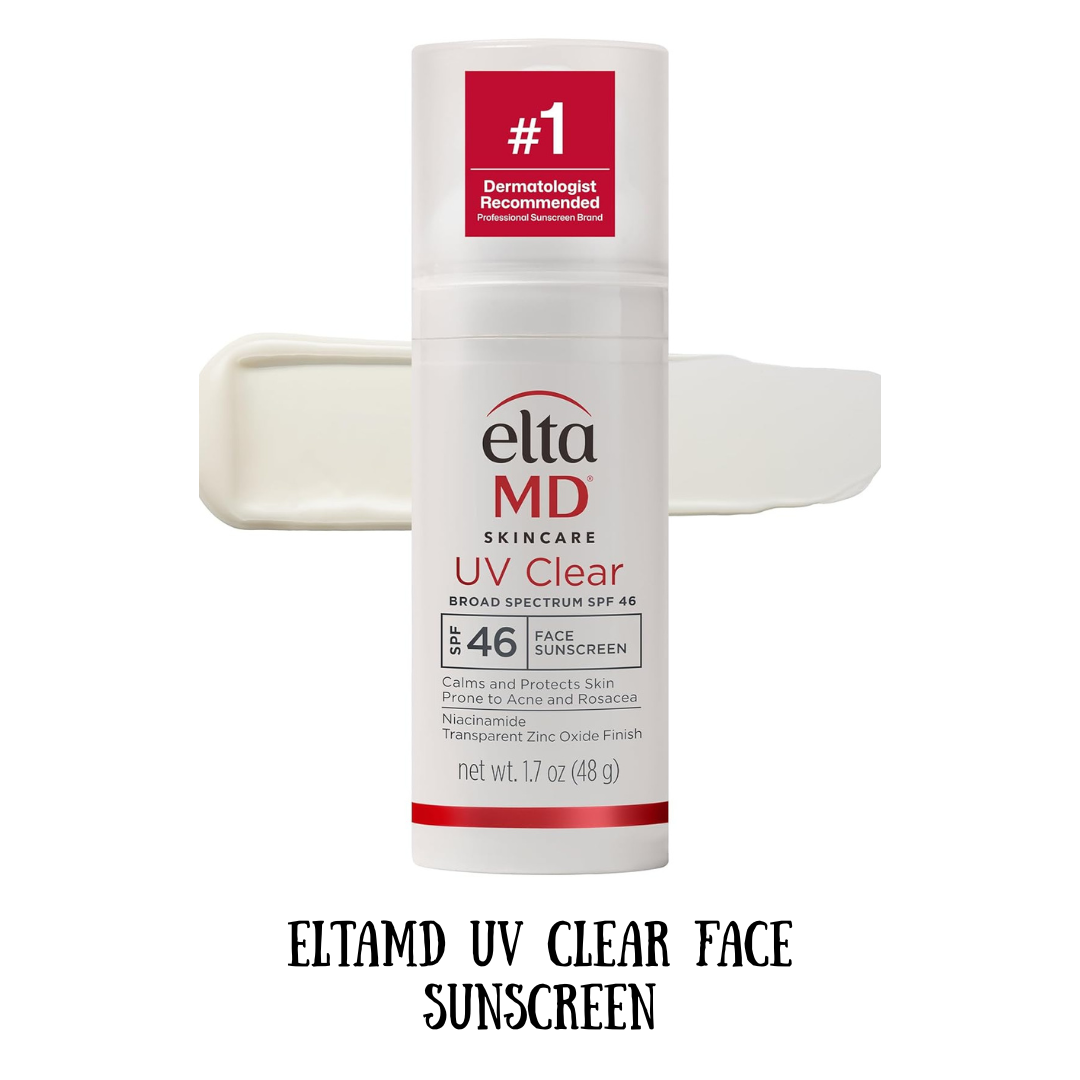
Daily SPF
For all teens:
For dry or sensitive skin:
For oily skin:
Remember that sunscreen isn't just something for the beach. Getting into the habit of using SPF as part of a morning routine is a useful habit your child can carry into adulthood.
When Acne Shows Up
For many kids, acne is simply part of puberty. Hormonal changes can increase oil production, which can contribute to clogged pores and breakouts. And when that first big pimple shows up before school picture day, it can feel like the end of the world.
It isn't. But we can still help our kids take care of their skin.
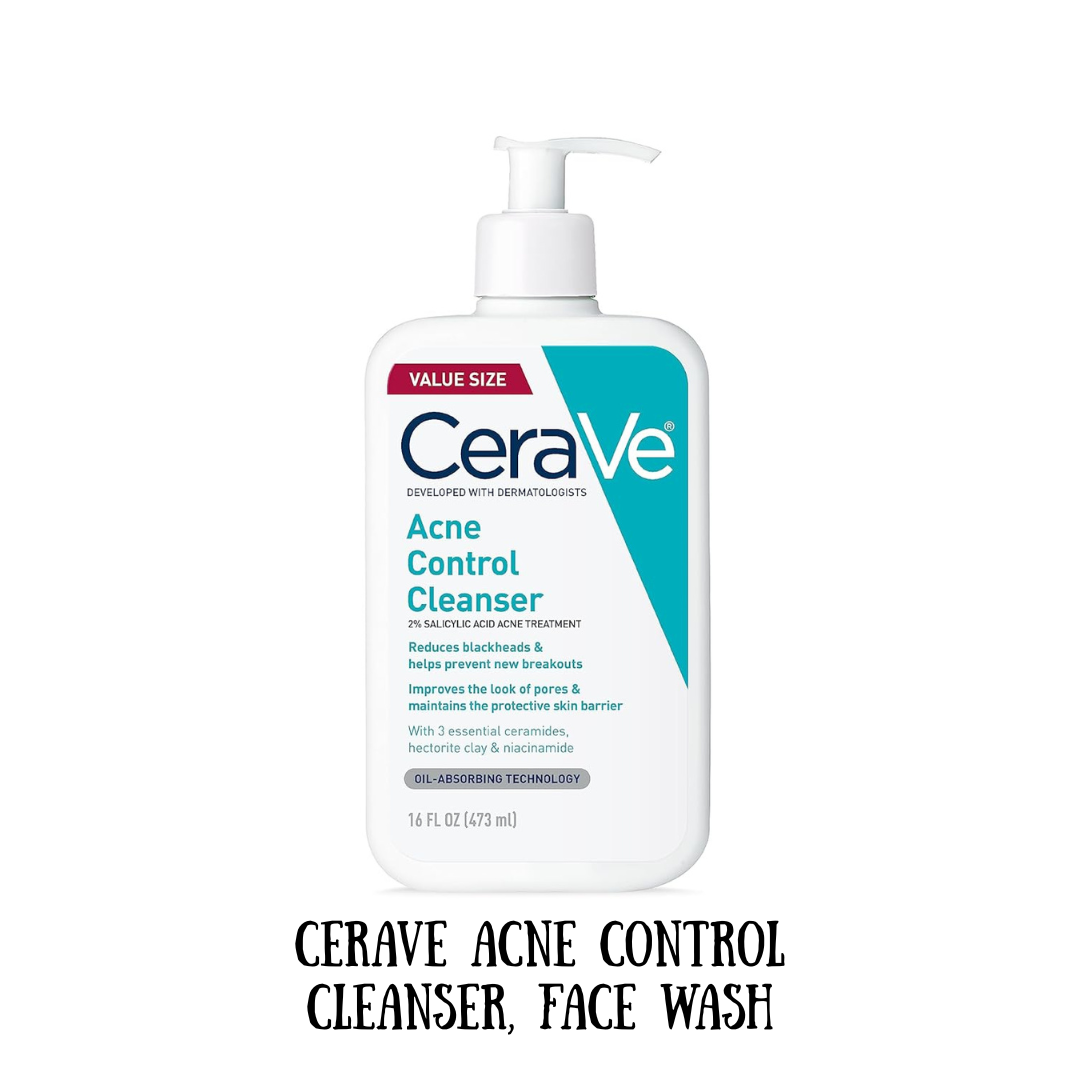
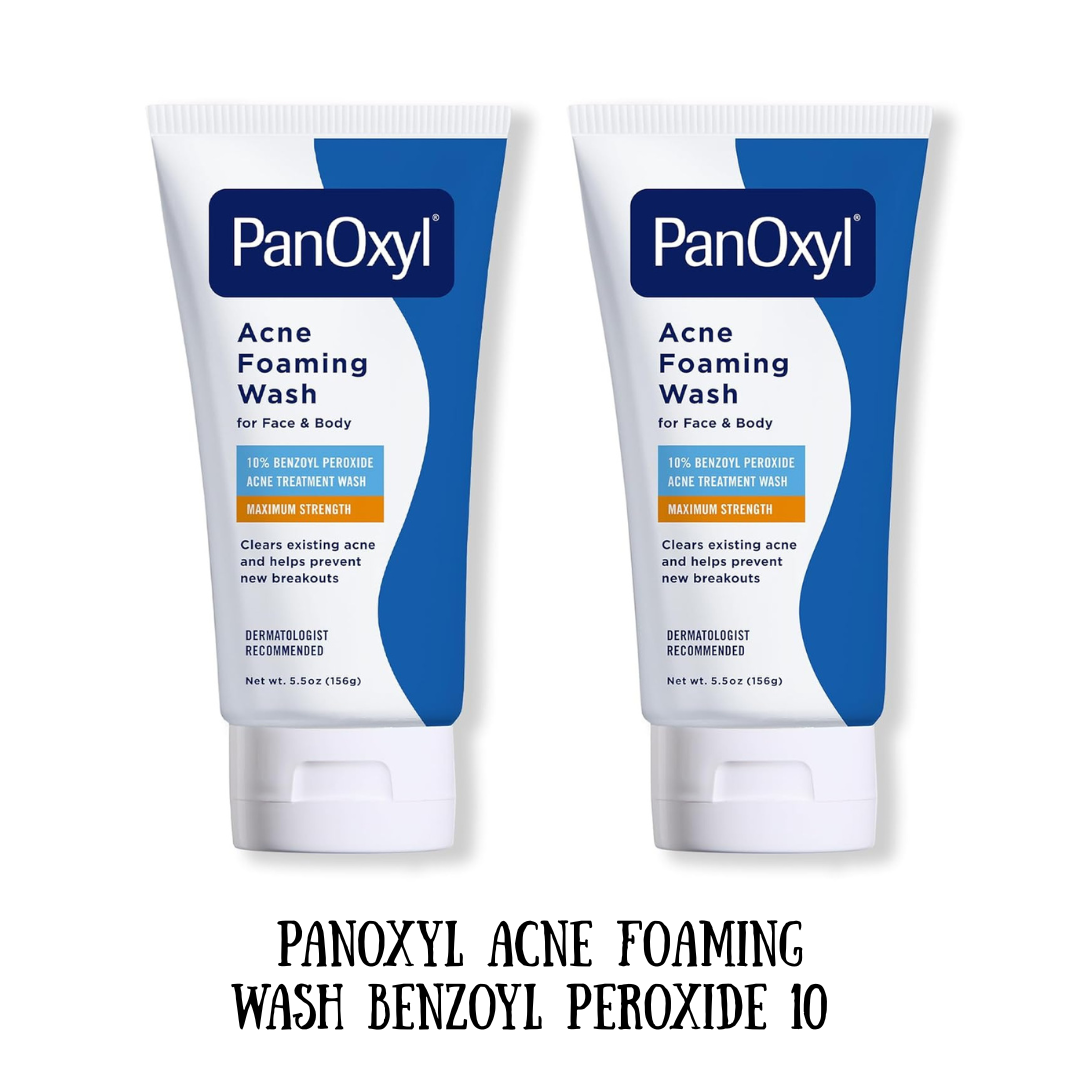
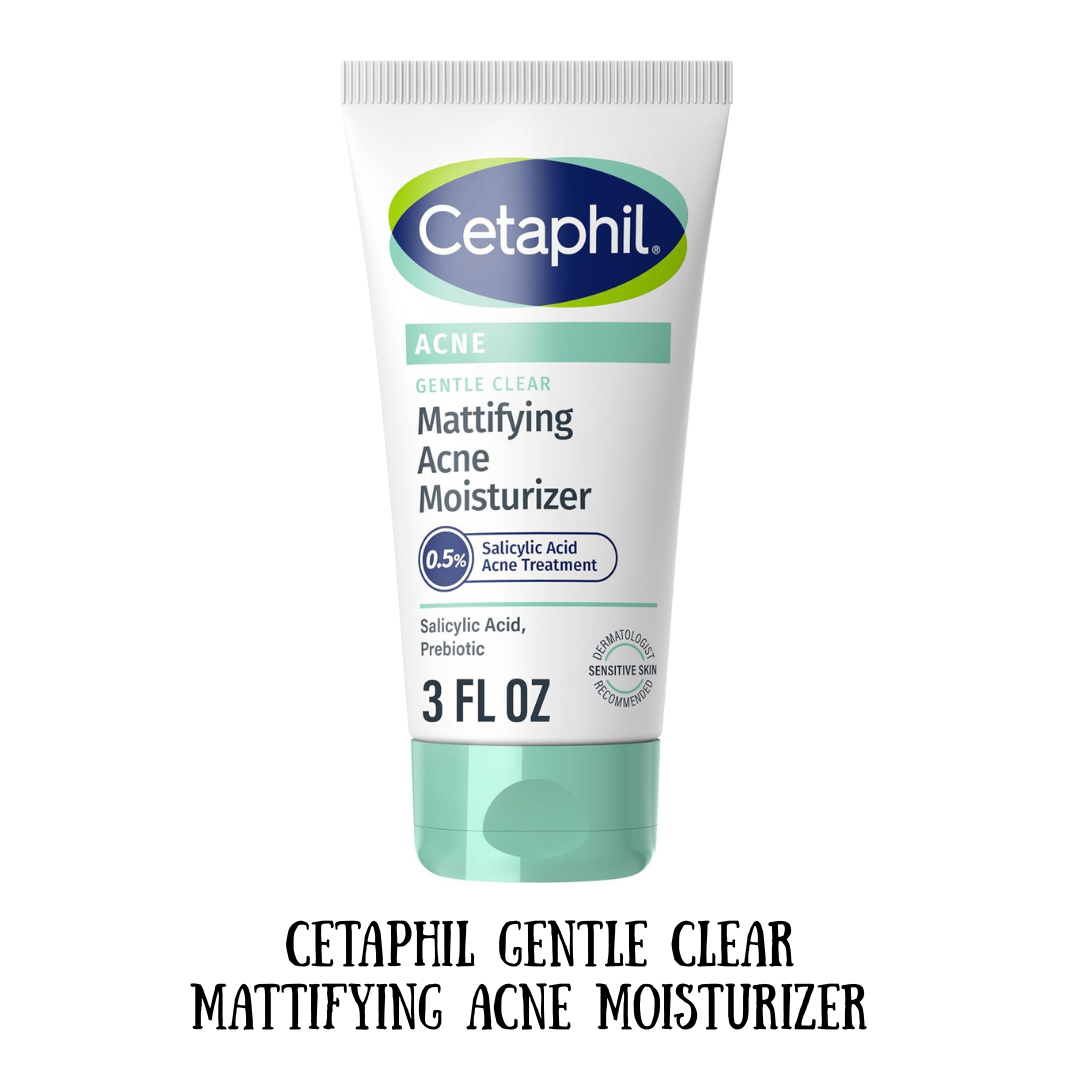
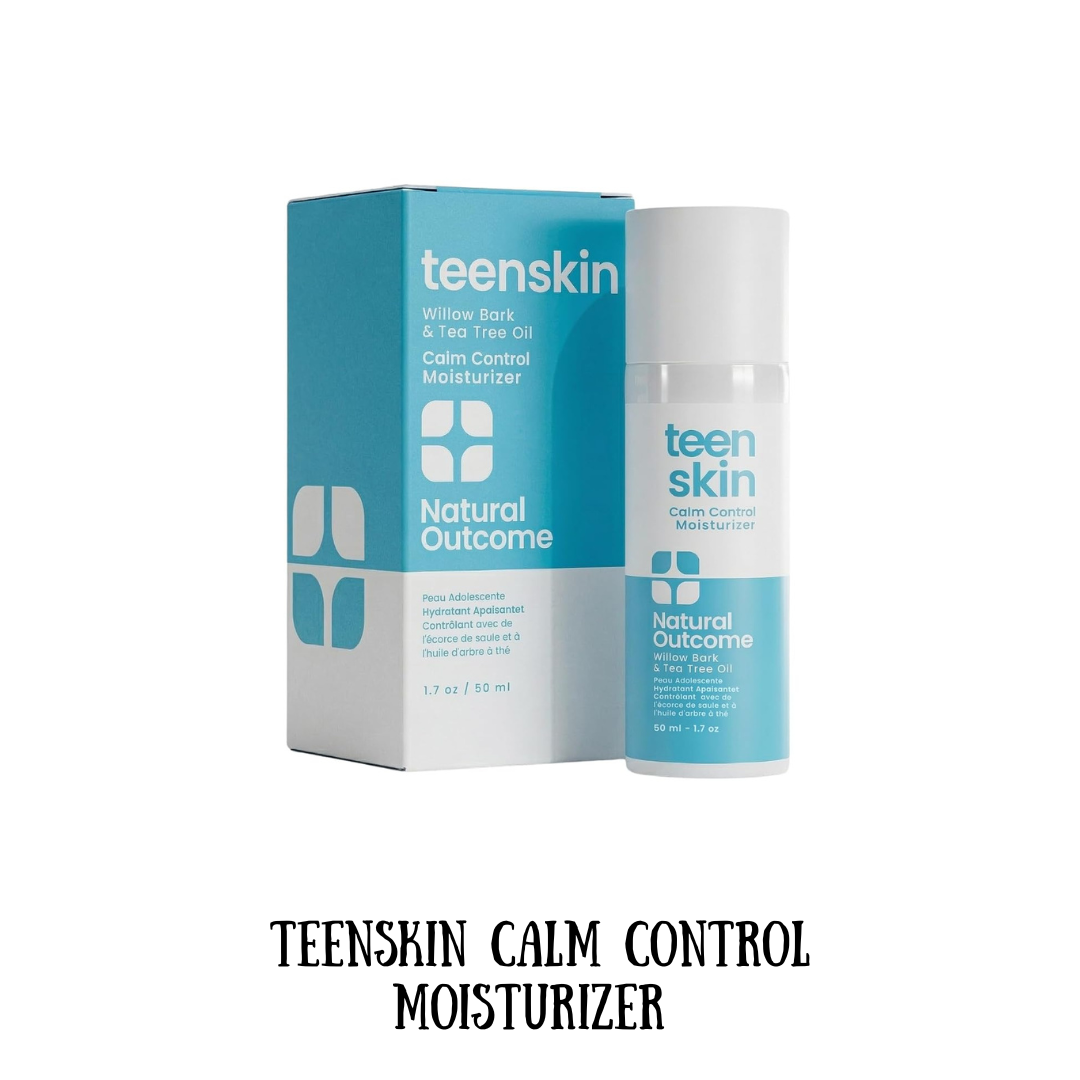
For teens dealing with acne, some products to consider include:
For moisturizer:
For spot treatment:
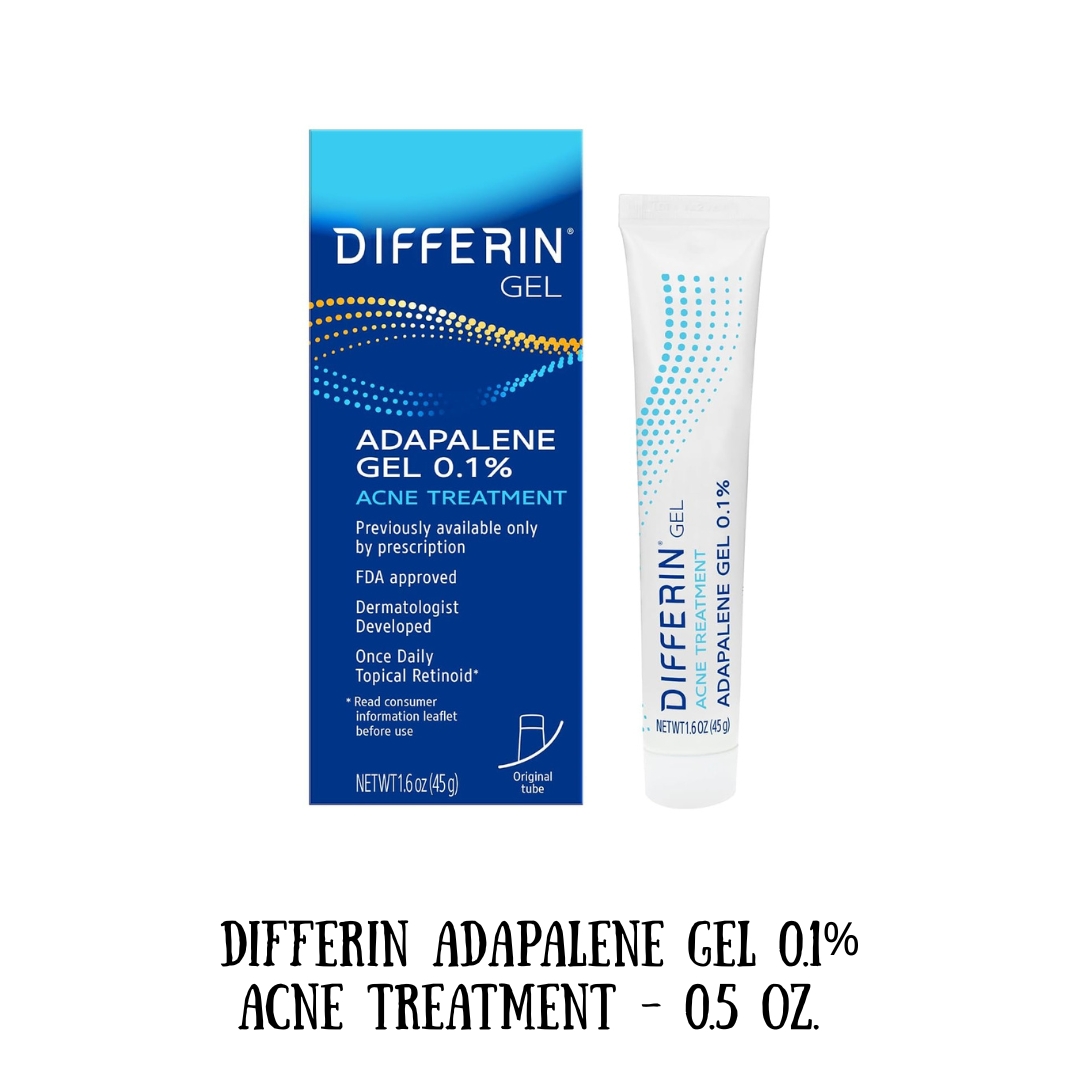
When introducing acne products, it's especially important not to go overboard. Acne treatments can be drying or irritating, and using several strong products at once isn't necessarily going to make the acne disappear faster.
And if your child's acne is painful, severe, persistent, or causing significant distress, this is a good time to talk with a dermatologist rather than trying product after product at home.
Dry Skin Needs Love, Too
Not every puberty skin problem is acne.
Some kids deal with dry, flaky, irritated skin instead.
When skin doesn't have enough of its natural oils, it can become dry and more easily irritated. The goal isn't to scrub that dryness away. It's to help restore and protect the skin barrier.
For dry skin, you might consider a hydrating cleanser such as:
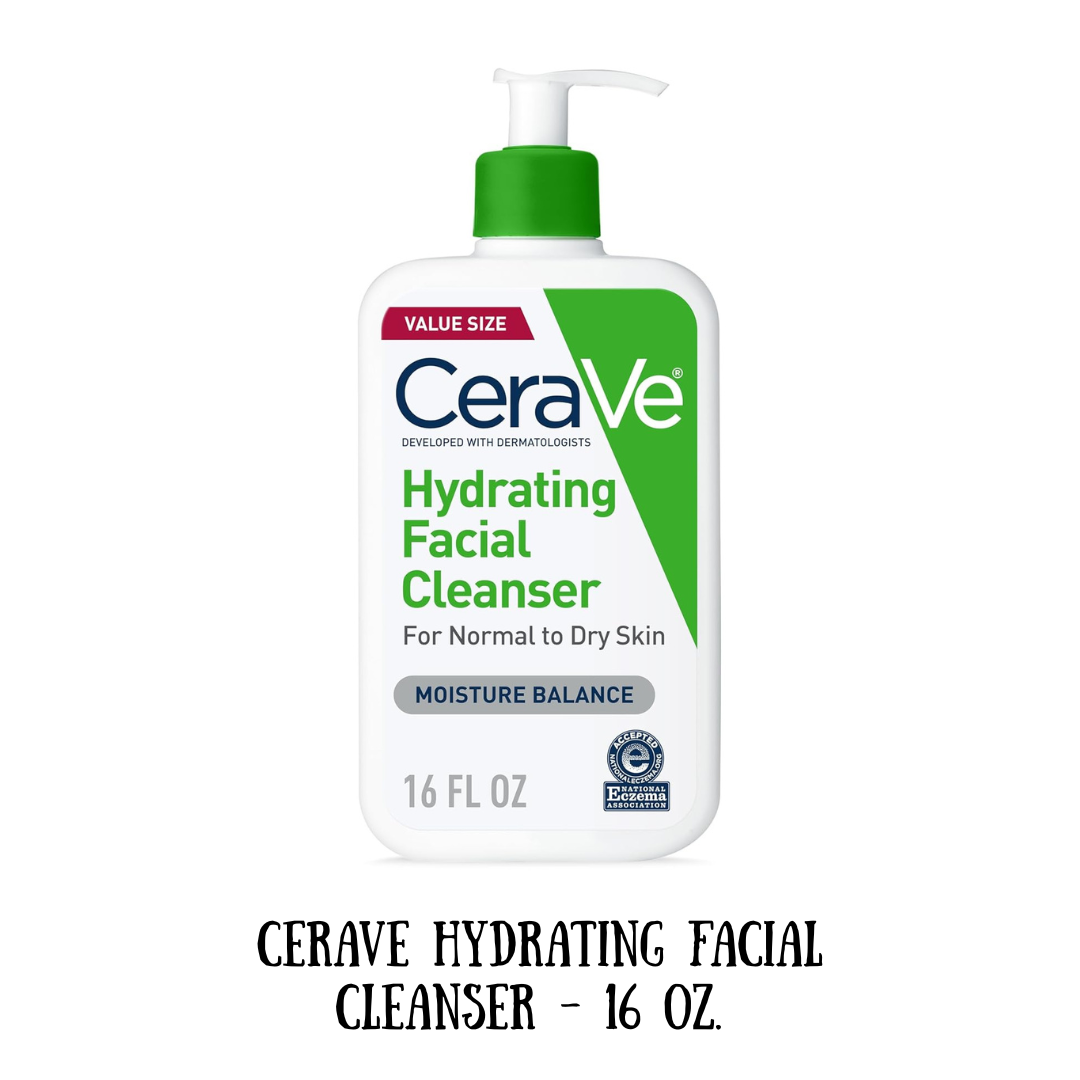
And for moisturizer:
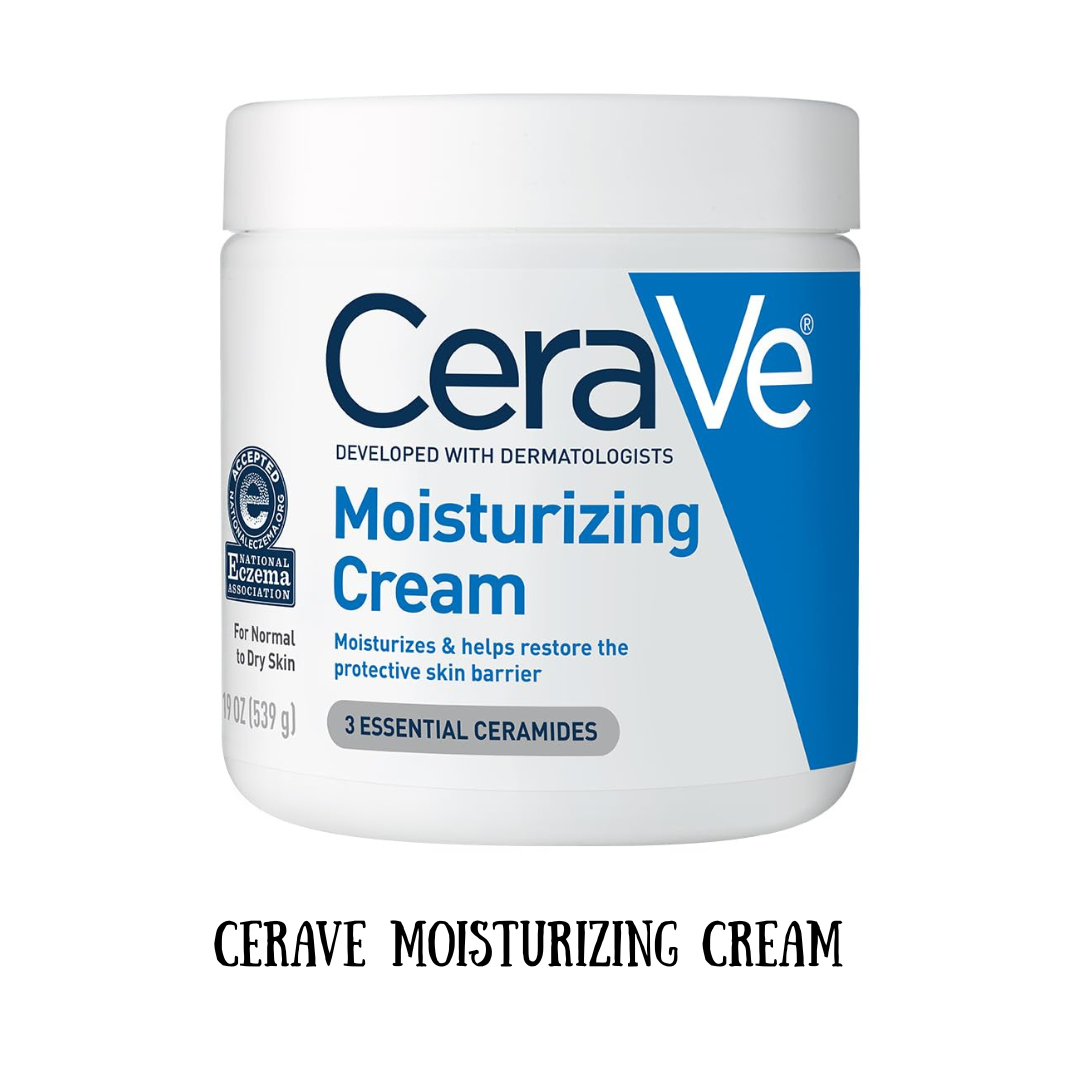
A good moisturizer can be especially helpful after bathing or cleansing, when the skin may feel dry or tight.
And if your child's skin is persistently itchy, cracked, painful, or irritated, don't assume it's simply “dry skin.” That's another situation where checking with a healthcare professional can be helpful.
What If Your Teen Has Oily Skin?
Here's something many teens—and parents—get wrong:
Oily skin still needs moisturizer.
When a teen notices a shiny forehead or oily T-zone, their first instinct may be to wash their face over and over again.
But washing excessively can strip away the skin's natural oils, which may leave the skin irritated and can contribute to an ongoing cycle of oiliness.
The same goes for moisturizer.
Some teens with acne or oily skin are afraid that moisturizer will make their skin even oilier or cause more breakouts. But skipping moisturizer isn't necessarily the answer.
The goal is to find products that work with their skin rather than constantly trying to strip the oil away.
For oily skin, consider:
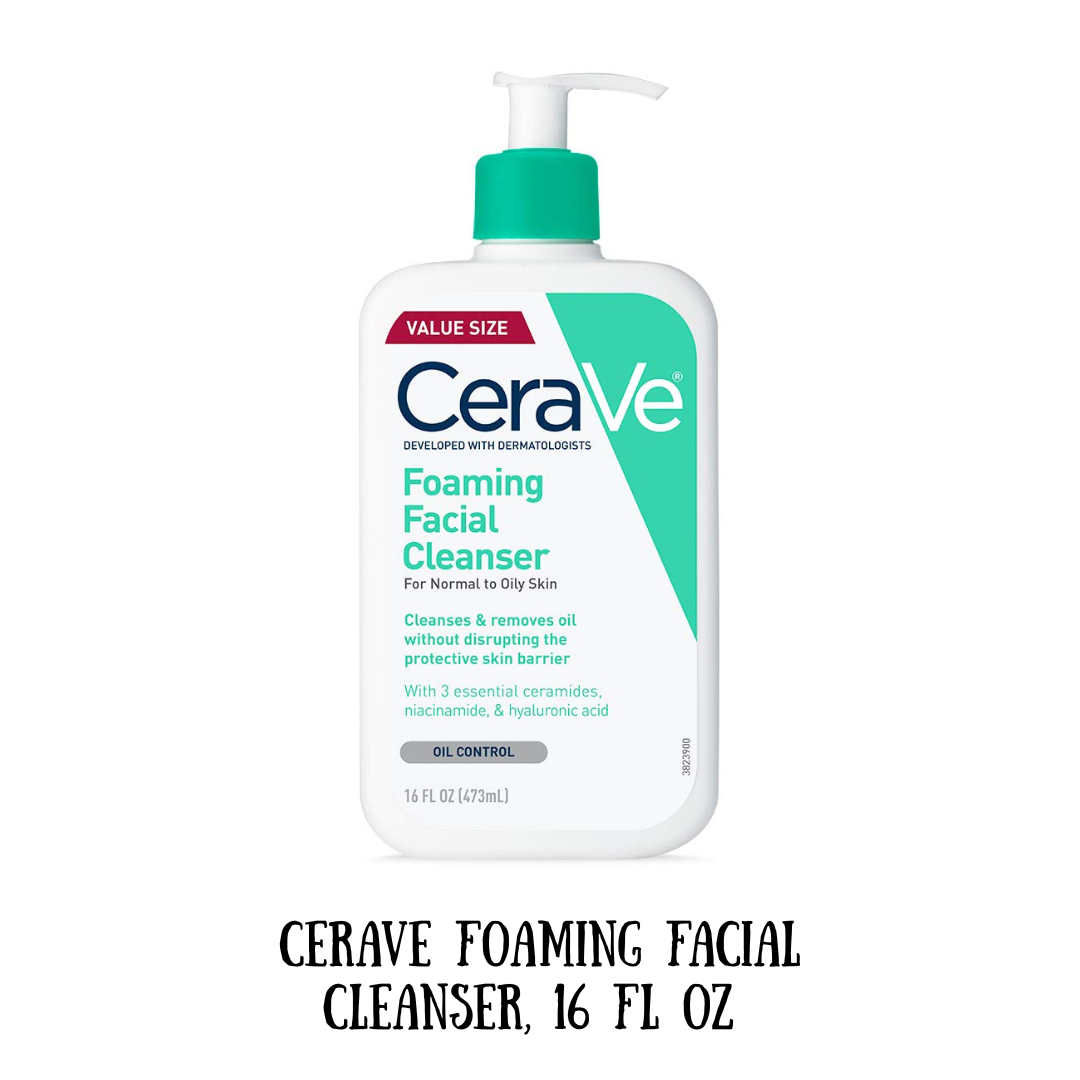
And for moisturizer:
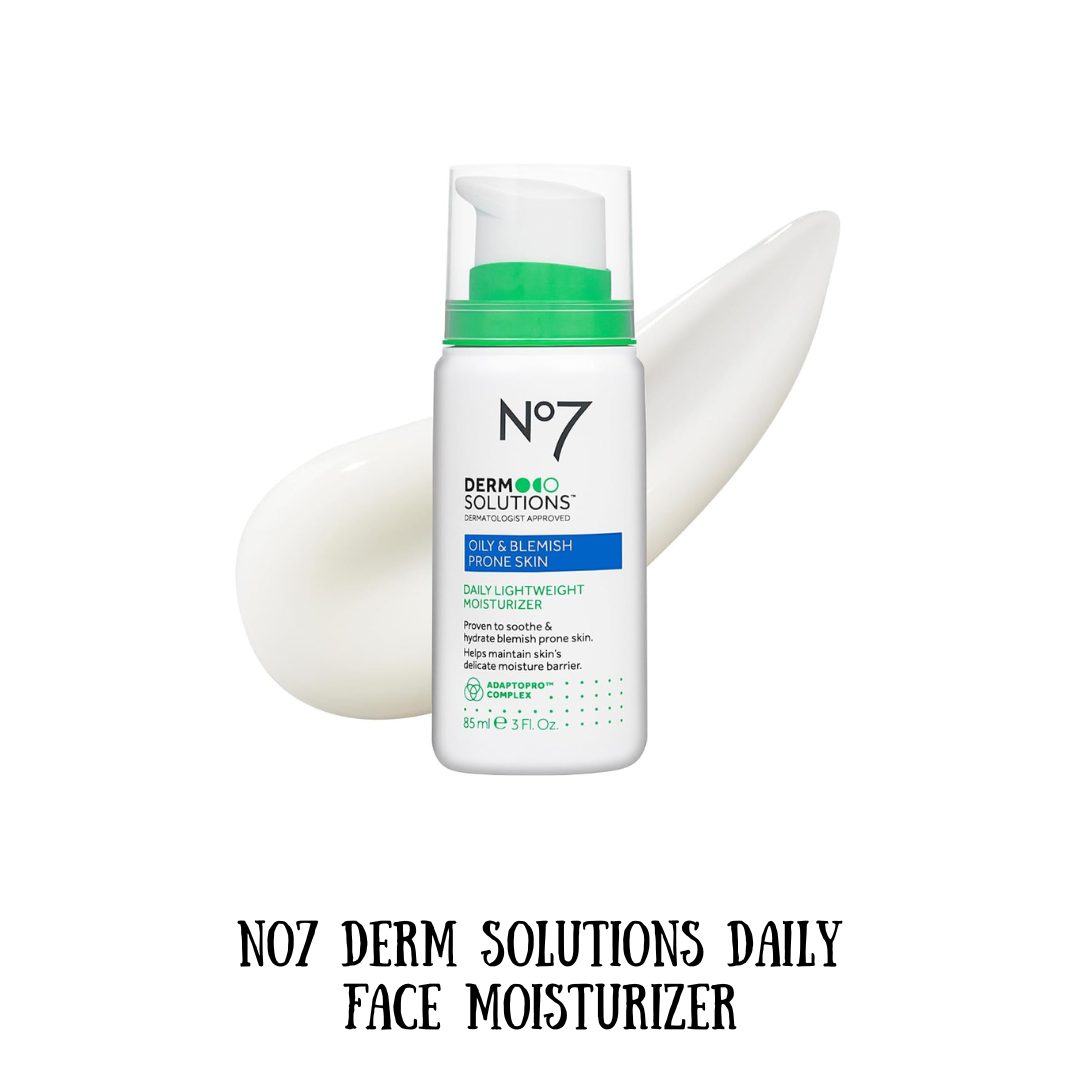
Again, simple is the goal.
And Then There's the Pimple-Picking...
Let's talk about the habit almost every parent has seen. Your child gets a pimple.
They touch it. They squeeze it. They pick at it.
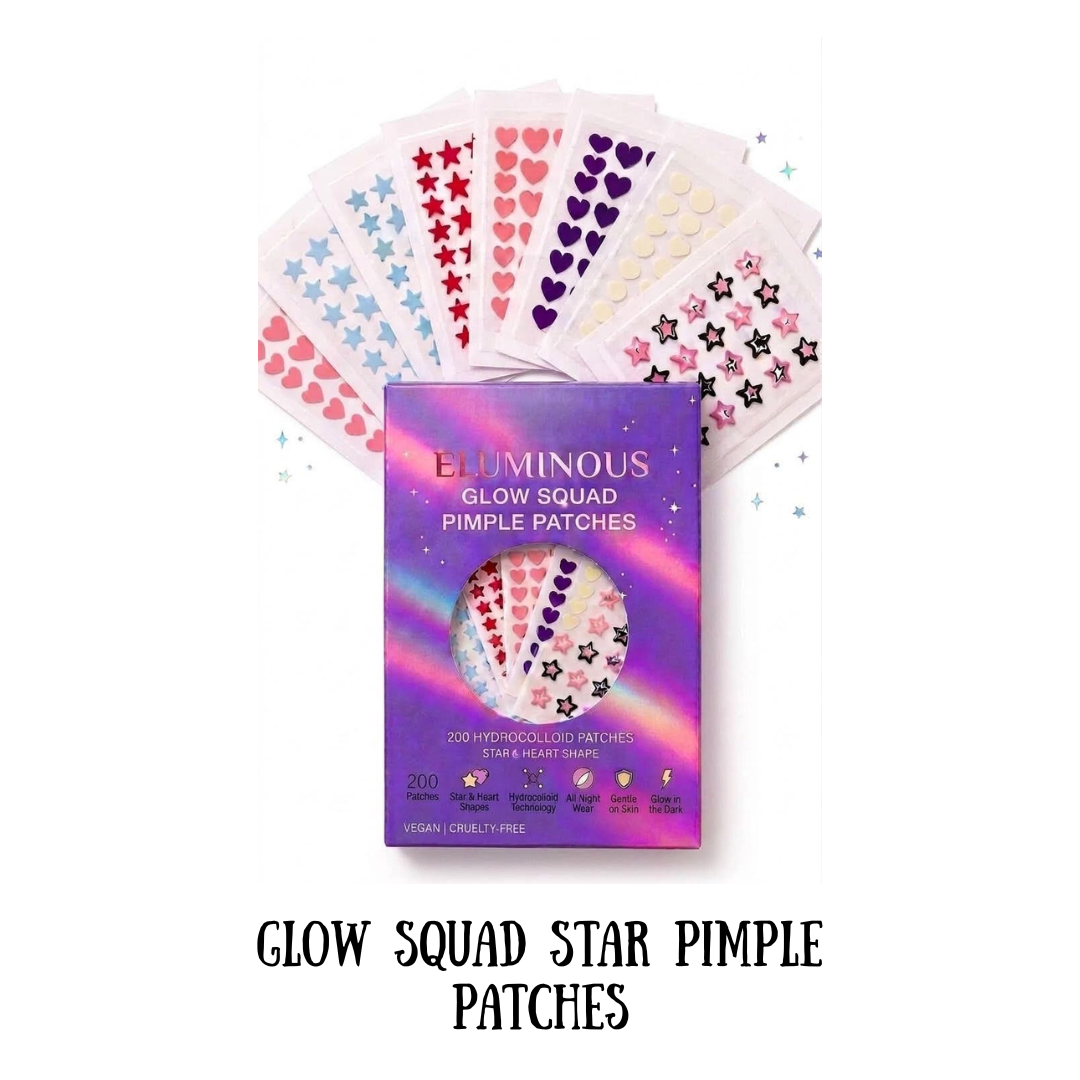
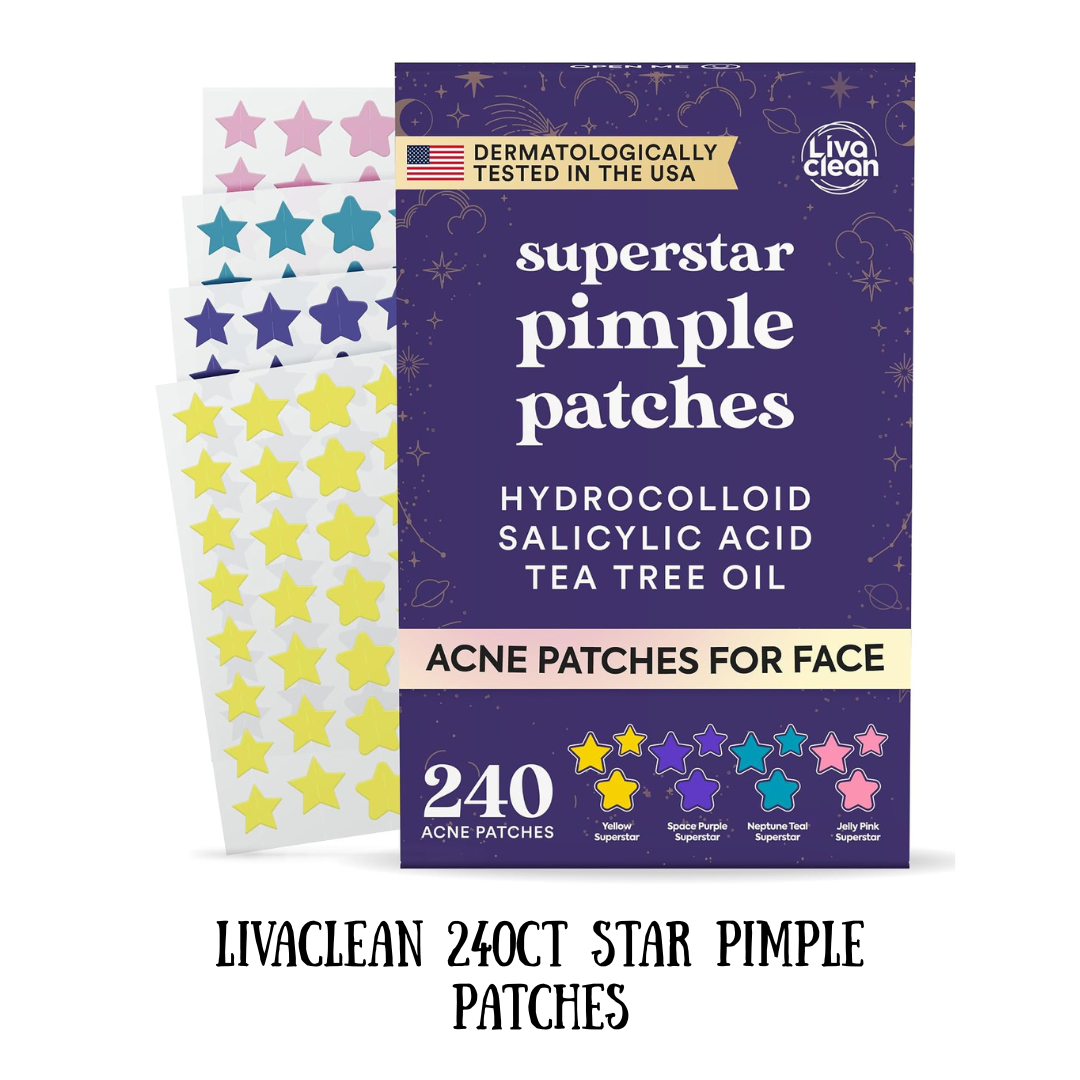
And somehow, five minutes later, that tiny pimple has become a full-blown skincare emergency. If your child is a picker, pimple patches can be a useful little tool to keep around.
They create a physical barrier over the blemish, which can make it harder to touch or pick at the area. Some types also absorb fluid from certain pimples.
And honestly, sometimes the best benefit is simply having something between your teen's fingers and their face. You can remind them that picking or squeezing pimples can increase irritation and may contribute to longer-lasting marks or scarring.
But try not to turn it into another lecture.
You can simply say:
“I know it's really tempting to pick at it. Let's put a patch on it and leave it alone.”
Some options to consider include:
Skincare Shouldn't Become Another Thing Kids Feel Bad About
This may actually be the most important part of the conversation. It's easy for skincare to become about appearance.
Your skin looks bad. You need to fix those pimples. You can't go out looking like that.
We may say these things because we're trying to help. But kids can hear something very different:
“Something is wrong with me.”
Puberty is already a time when kids are becoming much more aware of their bodies and how other people see them. We don't want skincare to reinforce the idea that their worth depends on having clear skin.
Your child can have acne and still be beautiful. They can have oily skin and still be confident. They can have stretch marks, scars, dry patches, or the occasional giant zit on their forehead and still be completely, wonderfully themselves.
Skincare is about taking care of your body—not fixing your body.
Don't Let Social Media Set the Rules
This is a great opportunity to talk with your child about what they see online. If an influencer has a 12-step skincare routine, ask your child what they think each product is supposed to do.
If someone says a particular ingredient will give them “perfect skin,” ask:
“How do you know that's true?”
And remind them that social media often shows the finished, filtered, carefully lit version of someone's skin—not necessarily what their skin looks like every morning. Your child doesn't need to copy someone else's routine to take good care of themselves.
They need to learn how to listen to their own skin, recognize when something isn't working, and know when to ask for help.
When It's Time to Call a Dermatologist
Parents sometimes wait because they think their child's skin concern isn't serious enough to see a dermatologist. You don't have to wait until the problem becomes severe.
If your child has persistent or painful acne, significant irritation, unusual changes, scarring, or a skin concern that you're simply unsure about, a dermatologist can help determine what's actually going on. And if your child's skin is starting to affect how they feel about themselves, that's worth paying attention to, too.
Sometimes the most helpful thing we can do isn't find another product. It's get the right support.
Keep It Simple
Your tween or teen doesn't need a bathroom full of expensive products.
Start with the basics.
Cleanse.
Moisturize.
Use sunscreen.
Then, if a specific concern comes up, look at what your child's skin actually needs rather than buying whatever happens to be trending online. Introduce new products gradually. Pay attention to irritation. And remember that skincare isn't a race toward “perfect” skin.
Puberty is messy. Bodies change. Skin changes. Kids grow. Our job isn't to make every change disappear.
It's to help our kids understand what's happening to their bodies, learn how to care for themselves, and know that they don't have to be embarrassed when something changes.
Because the goal isn't perfect skin.
The goal is helping our kids feel comfortable taking care of the skin they're in.